·
🇺🇸
United States live webcams
7,400 cams
Top categories in United States
Top cameras in United States


Popular cameras
 Live
Livesea otter, fur seal cam - Seattle Aquarium
US
 Live
LiveBNSF Railway Yard in Barstow, California, USA, LIVE Train Camera (PTZ)
US
 Live
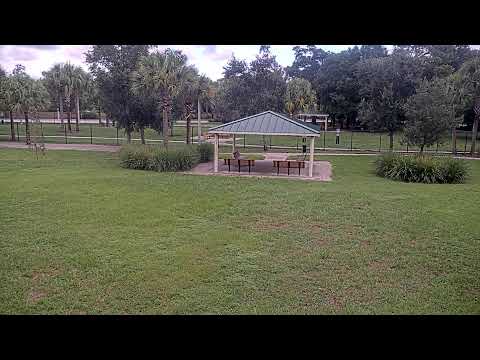
LiveCinquez Dog Park - Center Cam
US
 Live
LiveGate House Plaza View
US
 Live
LiveLAX Airport Action Runways 25L & 25R, LIVE Plane Spotting with ATC!
US
 Live
LiveMartha's Vineyard Alpaca Farm
US
 Live
LiveRNO Reno Airport
US
 Live
LiveSurveillanceMap LIVE, Los Angeles LAX, California
US
 Live
LiveAransas Pass Harbor Park
US
 Live
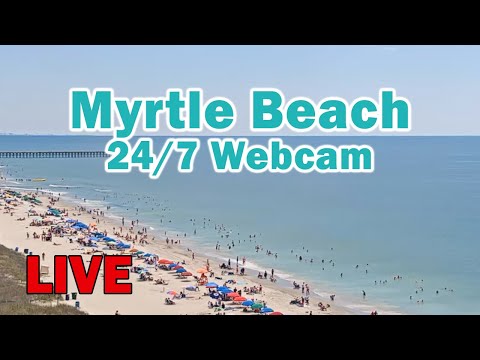
LiveBeach Views, Sea Watch Resort, Myrtle Beach
US
 Live
LiveBreckenridge Main Street Cam by Breckenridge Associates
US
 Live
LiveCabo San Lucas, Baja California Sur En Vivo, Vista Playa El Médano
US
About webcams in United States
The United States has no single national webcam network. Instead, coverage comes from hundreds of separate operators, and the densest clusters follow the interstate highways and the coasts. State departments of transportation run the largest group of cameras: they watch over urban freeways, mountain passes, and bridge approaches, mainly to help drivers and road crews respond to congestion and weather. Expect to see stretches of I-5 in Washington, I-70 through Colorado's mountains, and I-95 along the East Coast, with images refreshed every minute or two. In the Midwest and Northeast, winter road checks matter, so cameras point at the big interstates and rural state routes when snow is moving through. Beach and harbour webcams are the other major category, concentrated along the Atlantic, the Gulf, and the Pacific. Some are operated by coastal towns to show surf and swell, others by resorts or hotels to display the weather. The Great Lakes have their own set, useful for watching ice and freighters. City cameras are patchier: a handful of downtown views in places like New York, Chicago, and Seattle, often from municipal agencies or TV stations. Railway fans will find a small but loyal set of crossing and yard cameras, run by rail enthusiasts and local media, not the railroads themselves. Coverage thins out in the interior plains and the mountain west, except around ski resorts and national parks. The result is a national grid that is heavy on asphalt and ocean, light on the quiet middle of the country.








![[V3cam] Kīlauea volcano, Hawaii (south Halemaʻumaʻu crater)](https://i.ytimg.com/vi/gXKuUyKt8mc/hqdefault_live.jpg)