·
🇰🇷
South Korea live webcams
99 cams
Top categories in South Korea
Top cameras in South Korea

Popular cameras
 Live
Live대전 라이브캠 - Daejeon Korea - 韓国ライブカメラ - 大田廣域市
KR
 Live
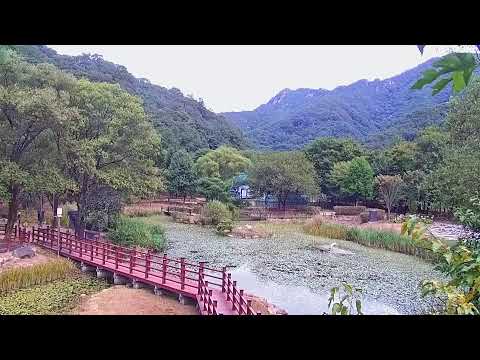
Live문경새재 생태공원
KR
 Live
Live펀제주 제주도 서귀포 성산읍 지금 날씨 실시간 제주 오늘 라이브 캠, Jeju Island in South Korea Live CCTV Cam
KR
 Live
Live남산서울타워 파노라마
KR
 Live
Live서울 힐링 노원 우이천 경치(LiveCam Healing Nowon Seoul Korea LIVE CAM Uycheon)
KR
 Live
Live문경새재 제2관문
KR
 Live
Live선재낚시공원. 내 방송
KR
 Live
Live울릉도 해중전망대 수중 실시간 라이브 스트리밍
KR
 Live
LiveKorea Local Live 24/7, 대한민국 구석구석 라이브 2
KR
 Live
Live부산 라이브캠 생중계 광안리 라이브 광안대교 실시간 방송 Busan
KR
 Live
Live임영웅 콘서트 마지막날 가는 길, 고양종합운동장 실시간 4분할
KR
 Live
Live제주바다 화면전환 제주도 바다 실시간 cctv
KR
 Live
Live제주시 구좌읍 한동리 인카페온더비치 cctv 해당방송이 끊기면 다른 영상으로 복구되어 송출됩니다. 구독, 알림설정 하시면 복구시 빠르게 영상을 보실수 있습니다.
KR
 Live
Live철쭉동산(불암산 힐링타운 내) 경치(LiveCam Healing Nowon Seoul Korea LIVE CAM Azalea Garden)
KR
About webcams in South Korea
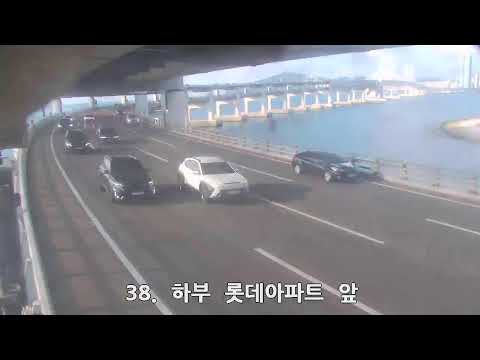
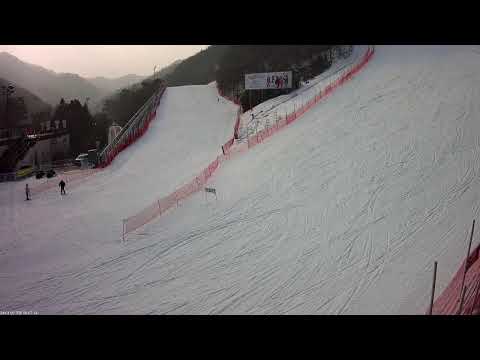
South Korea's public webcams are split between monitoring and spectacle. The most numerous are traffic cameras, run by the national expressway operator and municipal governments. They sit above the main motorways around Seoul, Busan and Incheon, and on the bridges and tunnels that carry the daily commute. These cameras are a practical tool for anyone driving, but they also show the sheer scale of Korean urban density: ribbons of headlights moving through the night, and the seamless flow of traffic that grinds to a halt during holidays. A second cluster belongs to the water. The Han River that runs through Seoul is watched by cameras at several of its parks and bridges, operated by the city or by public broadcasters, often showing people cycling, picnicking or the occasional flood gate opening. Reservoirs and rivers elsewhere in the country carry gauges and cameras for flood monitoring, which matter during the summer monsoon. Beach cameras are fewer but distinctive: Haeundae in Busan and a handful of other coastal spots have live views used by surfers and swimmers to check conditions, though most of the year they show umbrellas and crowds. City cameras are the smallest group but growing. You will find a few live rooftop or street-level views in Seoul, Busan and Daegu, often placed by private companies or local media, which give a real-time sense of weather and street life. What South Korea lacks is the alpine pass coverage common in mountainous countries; the highest cameras here are at ski resorts outside Pyeongchang, and they operate seasonally. Overall, expect the best coverage in the capital region and the southeastern coast, with occasional surprises in provincial river basins.



![[뷰 실화??] 부산 송정(해운대) 해수욕장 실시간 (올라호텔) live streaming, Haeundae Songjeong Beach, Korea 260703](https://i.ytimg.com/vi/NBZdNZYF1gI/hqdefault_live.jpg)

![[대구, 경북 ] 합법적 물멍, 풍경멍 가능한 실시간 방송 멍~ Daegu Gyeongbuk](https://i.ytimg.com/vi/GwUjCIxgDNQ/hqdefault_live.jpg)


![[비 ] 올림픽공원 생중계](https://i.ytimg.com/vi/TA67Km0o6bs/hqdefault_live.jpg)


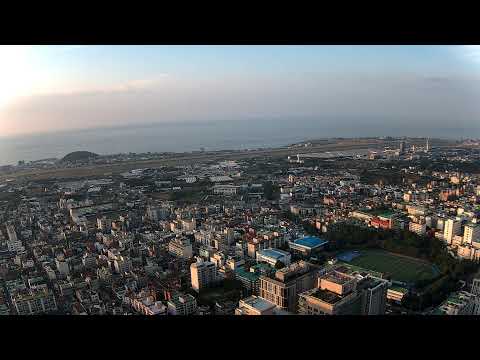


![] 홍대입구역 - Hongdae, Seoul, Korea, 首爾, 弘大, ソウル, ホンデ](https://i.ytimg.com/vi/DnqX7X6Pefg/hqdefault_live.jpg)