·
🇯🇵
Japan live webcams
516 cams
Top categories in Japan
Popular cameras
 Live
Live八重根漁港(八丈島)
JP
 Live
Live十勝川白鳥大橋ライブカメラ(十勝川温泉第一ホテル屋上より) Live Camera in The Hakutyo Bridge of Tokachi River,
JP
 Live
Live国道429号道路新設改良工事live配信
JP
 Live
Live城山公園ライブカメラ 城山公園
JP
 Live
Live大阪ライブカメラ 【live】大阪 心斎橋 ユニクロ前 24時間ライブカメラ, 高感度屋外ipカメラ配信, Fst.net
JP
 Live
Live富士山・日本平ライブカメラ Mt.Fuji, JAPAN, SBS NEWS6
JP
 Live
Live東京都 新宿 24時間 ライブカメラ, 西武新宿駅 pepe前広場 交差点 (YUNIKA VISION前) Tokyo Shinjuku
JP
 Live
Live東京駅トレインビュー・新幹線ライブカメラ(有楽町カーブ)
JP
 Live
Live横須賀市災害監視カメラ うみかぜ公園
JP
 Live
Live白山室堂 - Mount Hakusan Live Camera -※10/13(火)に配信停止予定【MRO北陸放送】
JP
 Live
Live羽鳥橋水位観測所(亀の川)
JP
 Live
Live道の駅奥河内くろまろの郷(ドッグパーク)
JP
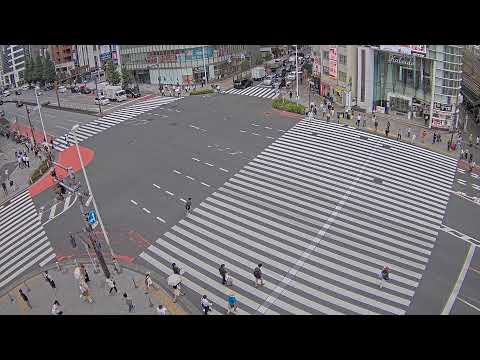 Live
Live2024 Tokyo Shinjuku 新宿 大ガード交差点 Live Ch
JP
 Live
LiveBranch神戸学園都市
JP
 Live
LiveFUJIYAMAタワーライブカメラ/Live stream of Mt.Fuji from "FUJIYAMA TOWER", Fuji-Q Highland
JP
About webcams in Japan
Japan's webcam coverage is shaped by its geography and daily routines. In the cities, cameras are often operated by local broadcasters or municipal offices, pointing at busy intersections, station squares, and landmark crossings like Shibuya. These give a real-time sense of urban flow, especially during rush hours or seasonal events. The most distinctive group is the railway cameras. Japan's rail network is dense and punctual, and several enthusiast-run feeds watch level crossings and station platforms, particularly around Tokyo, Osaka, and Kyoto. These are less about official monitoring and more about trainspotting culture; they show the passing of shinkansen and commuter lines with a regularity that is almost hypnotic. Mountain coverage comes from two angles. Ski resorts in Nagano and Hokkaido operate slope cams through the winter, useful for checking snow conditions before driving up. The national road authority and prefectural highway offices place cameras on mountain passes and expressways, especially in regions with heavy winter snowfall like Hokkaido and the Japan Sea coast. These are checked by drivers before crossing passes such as Usui or around the Tateyama Kurobe route. Beach cameras are fewer but steady, mostly on surfing coasts like Chiba and Shizuoka, run by local surf shops or seaside hotels to show wave height and crowd levels. What you will not find is a single national traffic network as in some countries. Instead, coverage is patchy, built up by prefectures, private companies, and hobbyists. The mix of city skylines, rail crossings, and alpine roads means the page is best browsed by region: Kanto for urban rail and city views, Chubu for mountains, and Kyushu for coastal and beach scenes.


![] 桜島 ライブカメラ 鹿児島県 垂水市 Sakurajima Living Volcano Kagoshima](https://i.ytimg.com/vi/NfR1Y-mYEtg/hqdefault_live.jpg)

![【善福寺川】和田堀公園池映像監視局[杉並区松ノ木2-1]](https://i.ytimg.com/vi/a0K0AUmRPeQ/hqdefault_live.jpg)