·
🇧🇷
Brazil live webcams
191 cams
Top categories in Brazil
Top cameras in Brazil


Popular cameras
 Live
LiveAo Vivo: Angra Dos Reis Agora
BR
 Live
LiveCVLLP (Clube de Voo Livre do Litoral Paulista) Moro do Itararé, São Vicente e Santos ao
BR
 Live
LiveNinho Das águias - Nova Petrópolis/Rs - Ao Vivo - Câmeras Da Serra
BR
 Live
LivePalco Hebe Camargo, Praça Salles Filho, Rio Paraná em Santa Fé do Sul - SP
BR
 Live
LiveAfogados Da Ingazeira Pe - Câmera Ao Vivo - Live Cam - Sertão Do Pajeú
BR
 Live
LiveFarol Santo Alberto e Praia do Farol l Litoral Norte do RN AO VIVO 24H
BR
 Live
LiveItanet ao vivo, Itaperuna • Rodoviaria • Pres. Dutra
BR
 Live
LiveMontenegro, Panorâmico Leste - AO VIVO 24H【2026】
BR
 Live
LiveTravessia Férrea KM 415 em Três Fronteiras - SP
BR
 Live
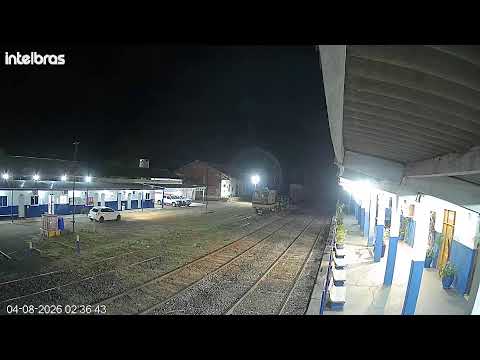
LiveTrem Ao Vivo Boa Vista Velha - Campinas Sp
BR
About webcams in Brazil
Brazil's public webcams are spread unevenly, following the coastline and the big cities. The densest coverage is on the Atlantic shore, where beach cams dominate: from the northeastern resorts of Fortaleza and Salvador down to Rio de Janeiro's famous stretches of Copacabana and Ipanema. These cameras are often operated by local surf schools, hotels, or municipal tourism departments, and they serve a practical purpose: checking wave height, weather, and crowd before heading out. Inland, the picture changes. Traffic cameras appear in São Paulo, Rio, Belo Horizonte, and other state capitals, run by city traffic agencies such as CETSP in São Paulo and CET-Rio in Rio. They focus on expressways and tunnels, giving commuters a live look at congestion before they leave. Rivers and lakes are next, but coverage is thinner. The Amazon basin has a few river-level gauges with cameras, useful for boat navigation and flood monitoring, while reservoirs in the southeast, like those around São Paulo, may have webcams from water utilities. Ports and marinas add another layer: Santos, Rio Grande, and the port of Itajaí have views for ship tracking and weather. What you won't find much of is interior city coverage. The most useful Brazilian cams tend to be the ones that catch a storm rolling in or a busy urban avenue at rush hour.