·
🇿🇦
South Africa live webcams
56 cams
Top categories in South Africa
Top cameras in South Africa


Popular cameras
 Live
LiveCat Eye LIVE Camera, Naledi Lodge, Greater Kruger Park
ZA
 Live
LiveRosie's Pan, Wildlife Live Stream - Greater Kruger National Park
ZA
 Live
LiveTembe Elephant Park, Wildlife
ZA
 Live
Livethe Crocodile River at the Kruger National Park
ZA
 Live
LiveDjuma Cam
ZA
 Live
LiveDjuma Ad Free Members Stream
ZA
 Live
LiveElephant Cam: Tembe Elephant Park - South Africa - Africam
ZA
 Live
LiveKalahari Salt Pan, Conservation
ZA
 Live
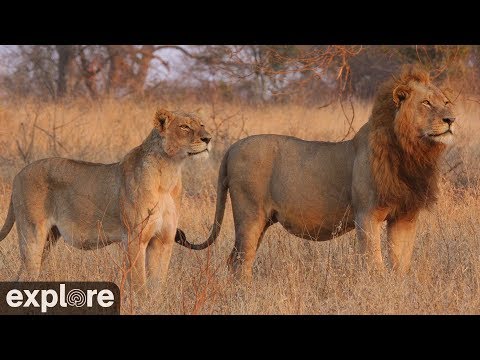
LiveWild Africa 24/7 Safari Cam, Watch Lions, Elephants & More
ZA
 Live
Livethe Crocodile River at the Kruger National Park
ZA
 Live
LiveAfricam Nkorho Bush Lodge
ZA
 Live
LiveCape Town
ZA
 Live
LiveBlack Eagle Nest
ZA
About webcams in South Africa
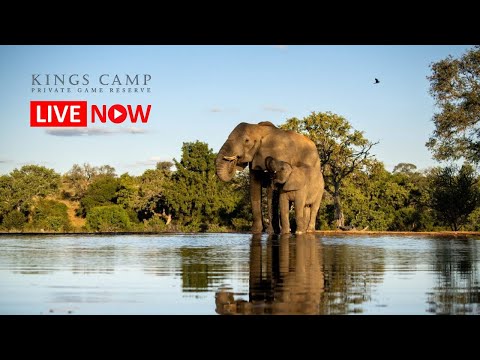
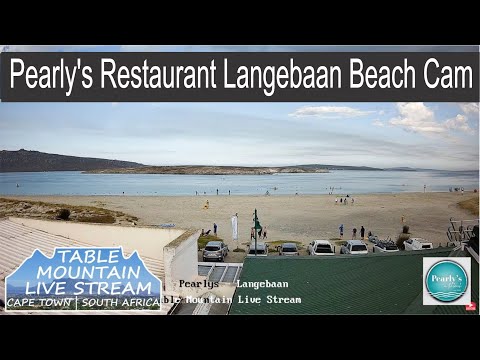
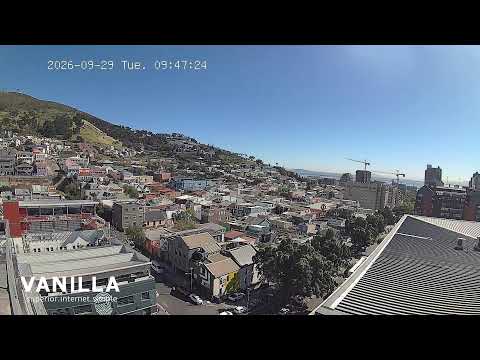
South Africa's webcams are different from most countries': the biggest group by far is wildlife. Private game reserves and national parks point cameras at waterholes and rivers so that visitors and armchair viewers can watch elephants, rhinos and lions come to drink. The densest coverage is in the north-east, around Kruger National Park and the private reserves of Mpumalanga, where several lodges operate around-the-clock waterhole cams. On the coast, the picture changes. Cameras along the Garden Route and the Western Cape show beaches, harbours and the open ocean, and a handful of surf-report cams help locals judge conditions before they paddle out. River and lake cameras are fewer but useful: the country's periodic droughts make water-level cameras a practical check for farmers and authorities, and several dams have live views. City and traffic coverage is thin. Johannesburg and Cape Town have a few arterial-road cams, and the road agency runs some mountain-pass cameras in the Western Cape, but urban monitoring is not as dense as in Europe. What South Africa lacks in city coverage it makes up for in scenery. The most-watched cams tend to be the ones showing a waterhole at sunrise or a beach on the Indian Ocean, and during the southern winter the safari cams are a popular escape for viewers in the northern hemisphere.