·
🇰🇪
Kenya live webcams
15 cams
Top categories in Kenya
Top cameras in Kenya

Popular cameras
 Live
LiveFinch Hattons Live Wildlife Camera, Tsavo National Park
KE
 Live
LiveLentorre, Kenya, Live Wildlife Camera
KE
 Live
LiveLaikipia
KE
 Live
LiveAmboseli Waterhole with Mount Kilimanjaro
KE
 Live
LiveMaasai Mara Mahali Mzuri Landscape
KE
 Live
LiveMahali Mzuri Lodge Safari Cam
KE
 Live
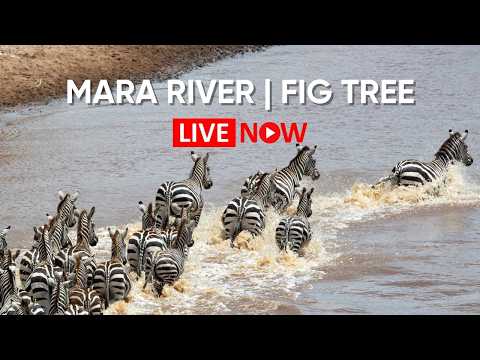
LiveMasai Mara Fig Tree Crossing
KE
 Live
LiveMasai Mara Main Crossing
KE
 Live
LiveMpala Kenya & Safari Watering Hole
KE
 Live
LiveMpala Kenya, River & Acacia Wildlife
KE
 Live
LiveMpala River Wildlife Cam
KE
 Live
LiveMpala Wildlife Waterhole
KE
About webcams in Kenya
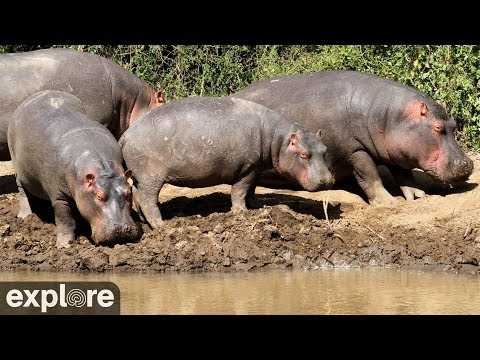
Kenya’s live webcam coverage is split between the wild and the urban. The most visible group points at national parks and private conservancies, mostly in the south-central region. These cameras are run by safari lodges and wildlife trusts, and they usually sit at waterholes or salt licks, where elephants, buffalo, and plains game come to drink. Some are fixed on a single pool; others pan short distances. They are used for research and for visitors to check what is moving before a dawn game drive, and because many stay on at night, they occasionally catch predators on infrared. The second group is water. Lake Nakuru, Lake Naivasha, and parts of the Rift Valley lakes have cameras that track water levels and flamingo movements, while river gauges upstream of hydroelectric dams are monitored through simple still-image cams. These images refresh every few minutes, which is enough for flood watch but not for continuous viewing. The third group is traffic. Nairobi’s road agency operates fixed cameras on the main highways and roundabouts, and a smaller number cover the Mombasa-Nairobi expressway and toll plazas. What you will not find in Kenya is a dense coastal camera network; the Indian Ocean shoreline has only a handful of beach and resort views. Coverage overall is modest, and some cameras go offline for days, but the wildlife feeds are reliable early in the morning and at dusk. If you are tracking a migration or just want to see a rhino at a mud wallow, the reserve cams are the best starting point.
