·
🇮🇸
Iceland live webcams
14 cams
Top categories in Iceland
Top cameras in Iceland


Popular cameras
 Live
LiveNorth Reykjanes
IS
 Live
LiveAkureyri from Rósenborg
IS
 Live
LiveAurora All-Sky
IS
 Live
LiveAðaldalshraun Aurora & Heath Sky
IS
 Live
LiveBorg í Grímsnesi
IS
 Live
LiveGolden Circle Aurora
IS
 Live
LiveGrindavík Volcano
IS
 Live
LiveHagafell Volcano
IS
 Live
LiveHjaltadalur Valley & Hólar PTZ View
IS
 Live
LiveIceland Seismic Tremor Monitor
IS
 Live
LiveSundhnúkur Volcano A
IS
About webcams in Iceland
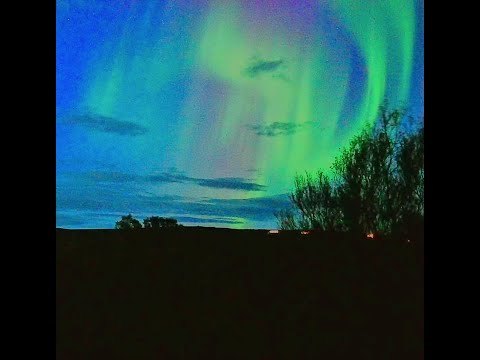
Iceland's webcam network is thin but strategic. The densest coverage is in the capital region: Reykjavík's harbour, the main shopping streets, and the Harpa concert hall all have cams, often run by media outlets or the city's tourism office. Their purpose is mostly atmospheric-watching the light change over Faxaflói Bay or checking if the northern lights are out-but they also serve as a practical peek at street conditions for commuters. The second cluster follows the ring road, especially the parts that cut through the central highlands or over mountain passes. These cameras are installed by the Icelandic Road and Coastal Administration (Vegagerðin), the national road authority. They exist for a blunt reason: weather in Iceland shifts without notice, and a pass that is dry at noon can be drifted shut by three. Locals call them road cameras, and they are checked before any long drive, not for scenery but for snow, wind, and whether the road is open at all. Ports and marinas form the third group. Fishing villages along the south coast, the Westfjords, and the east fjords often have a single camera pointing at the harbour entrance. These are practical-for monitoring boat traffic and weather-but they also function as a live postcard of each place. On a clear day you might see mountains across the water; in winter, just a grey wall of squall. What Iceland lacks in quantity it makes up for in purpose. The cameras are not decorative. Each one answers a question a local might ask: Is the pass clear? Is the boat safe? Is the sky worth stepping outside for? For visitors, they offer the same answers, though you will have to scroll to find the remote ones-and you will rarely see a crowd on any of them.
