·
🇫🇮
Finland live webcams
40 cams
Top categories in Finland
Top cameras in Finland


Popular cameras
 Live
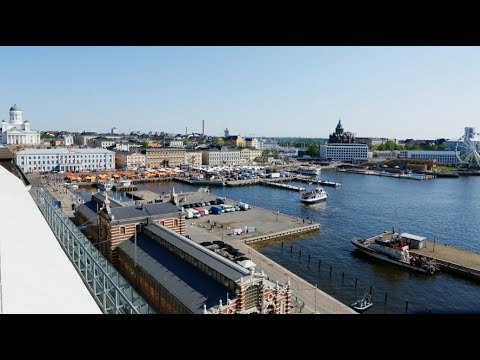
LivePort of Helsinki - South Harbour Live (Live Camera Axis Q6155-E)
FI
 Live
LiveLevin Seikkailupuisto, Adventure Park Levi, Levi Ski Resort
FI
 Live
LiveFinland Now
FI
 Live
LiveSouth Point Levi, Levi Ski Resort
FI
 Live
Live@ Santa Claus Village
FI
 Live
LivePakkahuoneen ranta kamera 1
FI
 Live
LiveKylänäkymä, Village view, Levi Ski Resort
FI
 Live
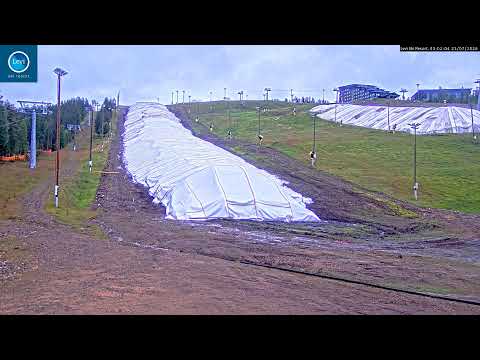
LiveLevi Glacier Express lift and slopes, Levi Ski Resort
FI
 Live
LiveYyteri Beach, Pori
FI
 Live
LiveKuopio Market Square
FI
 Live
LivePatoniva River, Oulanka National Park
FI
 Live
LiveYlläs Ski Resort Chairlift
FI
 Live
LiveLevi Riverside & Aurora Sky View
FI
About webcams in Finland
Finland’s public webcams are a practical tool for a country that swings from bright summer nights to deep winter cold. The densest coverage is at ski resorts, which run cameras from the first snow in late autumn until the slopes close in spring. Levi, Ylläs, Ruka and Saariselkä all have multiple views, often pointing at the pistes, lift queues and village squares, so you can see snow conditions before you book. In southern Finland, a few coastal resorts add beach cameras, useful for checking whether the water is warm enough for a swim in July or the ice has gone in April. A smaller but distinctive group is the railway cameras. Finland’s train network is sparse but vital, and at a handful of level crossings and stations you can watch trains pull in or freight rumble past. The state rail operator runs these mainly for safety, but they make for quiet, hypnotic viewing. Wildlife cameras are rarer still, but a few zoos and nature reserves have them on bear feeding sites or bird tables, especially in the east, where brown bears are a real draw in summer. What Finland lacks is a dense network of road-traffic cameras of the kind you find in other Nordic countries. The national road authority maintains a small number, mostly on bridges and tunnels around Helsinki and on the E75 up through Lapland, where they help drivers judge fog, snow and reindeer risk. For the rest, you rely on the ski cams and the handful of city views from Tampere, Turku and the capital. Coverage is thin but honest: this is a country where you go outside to look at the weather, not sit indoors watching it.