·
🇨🇷
Costa Rica live webcams
7 cams
Top categories in Costa Rica
Top cameras in Costa Rica

Popular cameras


About webcams in Costa Rica
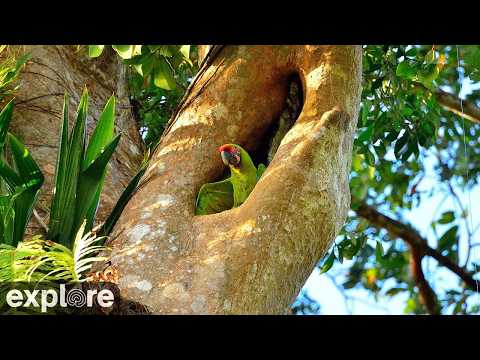
Costa Rica's public camera coverage leans heavily toward wildlife. Rescue centres, national parks and private reserves run cameras on feeders, nests and forest clearings, and those feeds make up most of what you can watch. They are not tourist productions; they are working tools for biologists and volunteers who monitor nesting birds, monkeys and rescued animals. Expect long stretches of empty branch and sudden activity. That is the nature of the format. Traffic cameras are the second group, though far fewer. The road authority and some municipalities post cameras on the main routes out of San José and on the highways toward the Pacific beaches. They are useful during the rainy season, when landslides and flooding close mountain roads without much warning. Coastal and weather cameras are sparse. A handful of surf camps and marinas run their own feeds, mostly so customers can check conditions before booking. Airports have cameras too, but they are mostly for operations, not public viewing. What you will not find is dense city coverage; San José has a few intersections on camera, and that is about it. The country's size works against a big grid. Most cameras are clustered around protected areas and the Central Valley, with long gaps along the coasts and the northern border. If you want wildlife, this is a strong page. If you want road conditions, check the traffic section first.
